
Applications
Applications
Start from the test problem, not the catalogue.
Five programme types
Each page starts from the constraint that decides the instrument: how much current the device demands, how long the test runs, and what the reviewer will ask for when the data is presented. Scenarios are representative of the programme type.

Material screening that survives peer review
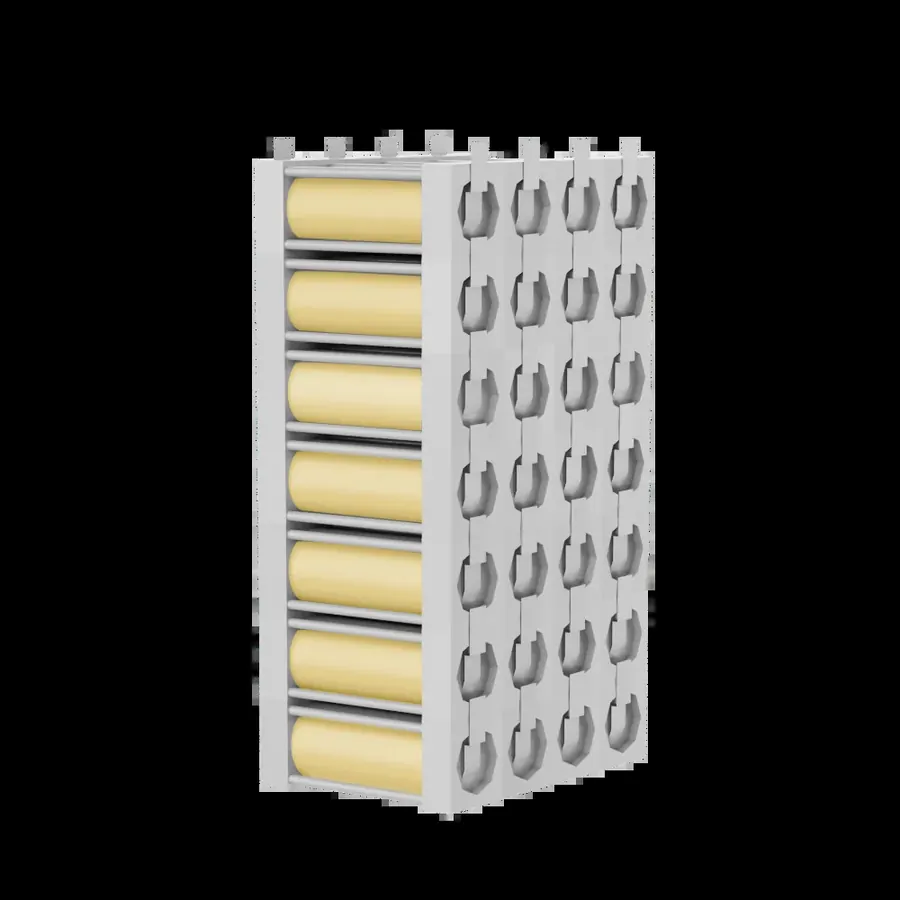
Half-cell and full-cell screening produces hundreds of small signals that decide whether a material programme continues. The instrument has to hold microamp stability for weeks and record the transient that the electrode, not the electronics, produced.
Formation and grading that a line can rely on
In production, test equipment is judged by throughput and by whether a rejected cell was actually rejected. The same control platform has to run a fixed end-of-line sequence on the line and a flexible characterisation plan in the lab next door.
From 400 V modules to 800 V packs
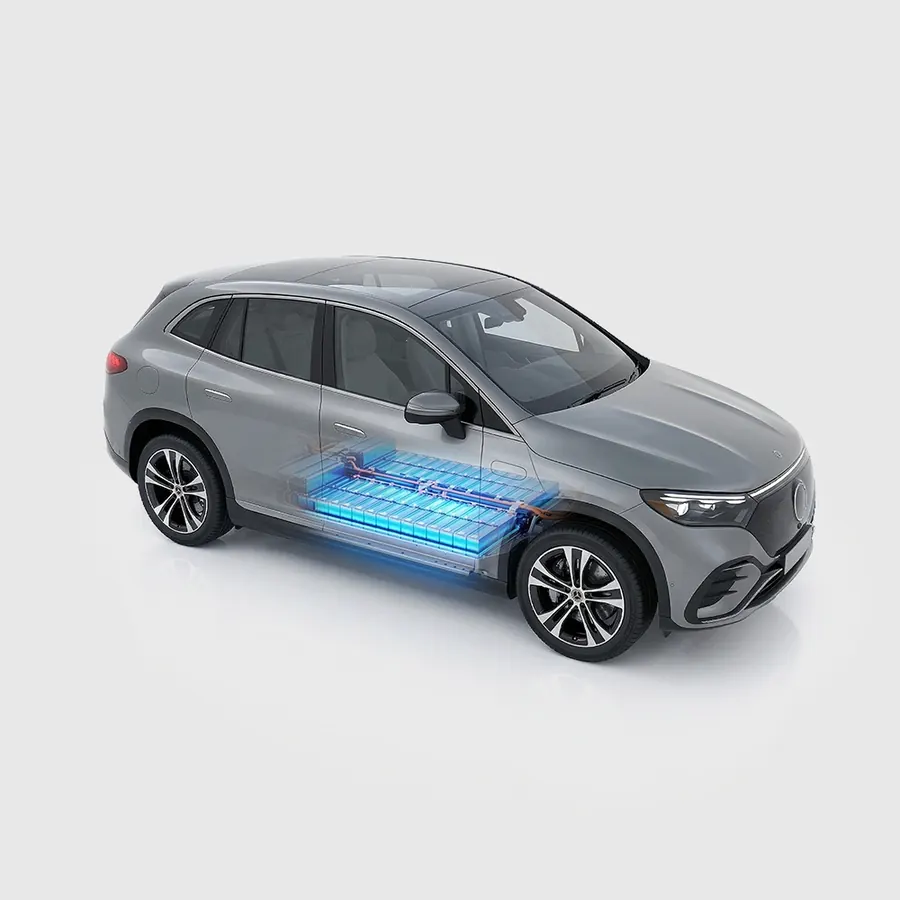
Vehicle programmes validate at cell, module and pack level, and each level has a different failure mode. Voltage ceilings, current capability and protocol coverage have to line up across the three, or the comparison between levels is not valid.

Cycle life claims need a test bench behind them
Storage products are sold on cycle life and round-trip efficiency, then judged on both years later. Long-duration cycling at realistic current and temperature is the only defensible basis for either number.
Small cells, high volumes, tight consistency
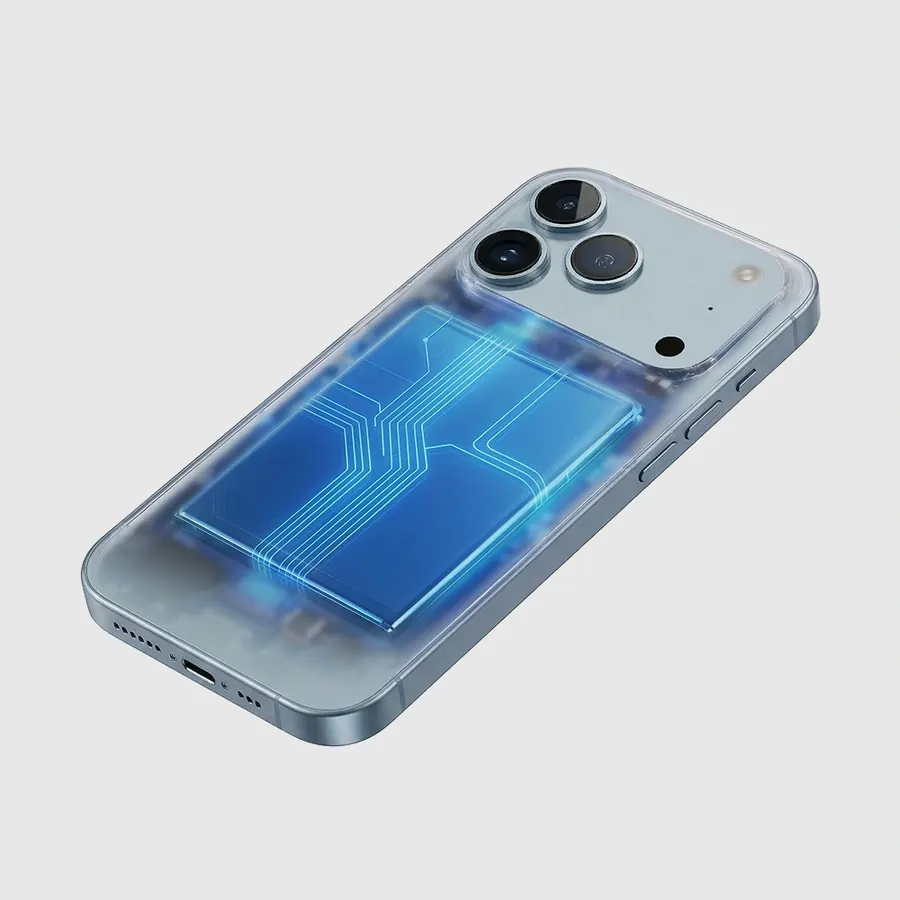
Phones, earbuds, power banks and wearables are built from cells whose variation shows up as user-visible runtime differences. Consistency testing needs channel density and a screening method that finds the outlier without cycling every cell for a week.

Series
Every application lands on a series
CT/CE-4000
The routine cell cycling platform
Voltage 5 / 6 / 10 / 20 VCT/CE-8000
Portable measurement where the cell already is
Voltage 5 VCT/CE-9000
Transient detail at 1000 Hz
Voltage 5 VCT/CE-5000
High current with energy recovery
Voltage 5 / 10 / 20 / 24 / 30 VCE-6000
Module, pack and end-of-line
Voltage 5 V to 3000 VRequest a technical consultation
Tell us the device, the voltage ceiling and the shortest pulse in your plan. You get a series, a configuration and a lead time.